About Nagasaki Prefecture
Even with its international influence, Nagasaki prefecture is still a place where life is a little slow, the weather is balmy, and panoramic vistas take up more of the view than skyscrapers. For travelers who prefer a laid-back sightseeing trip with plenty of time to stop and enjoy the view, Nagasaki is a perfect destination.
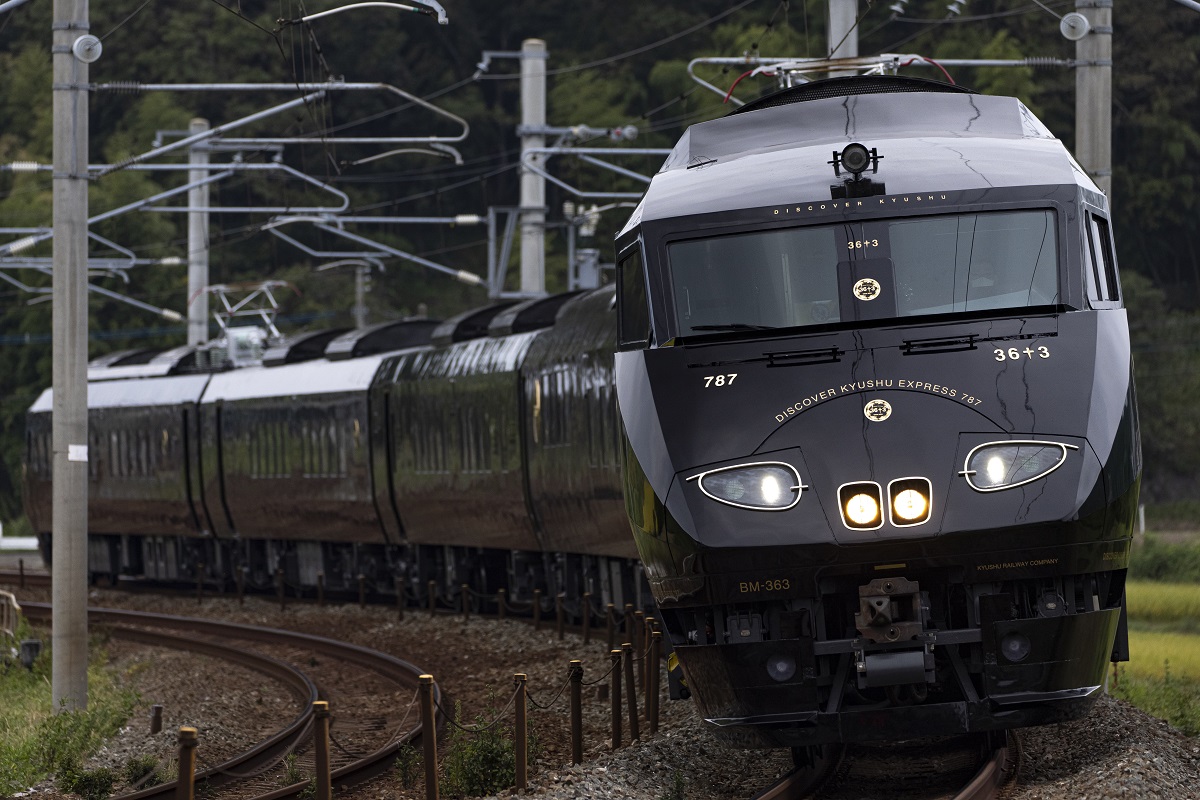
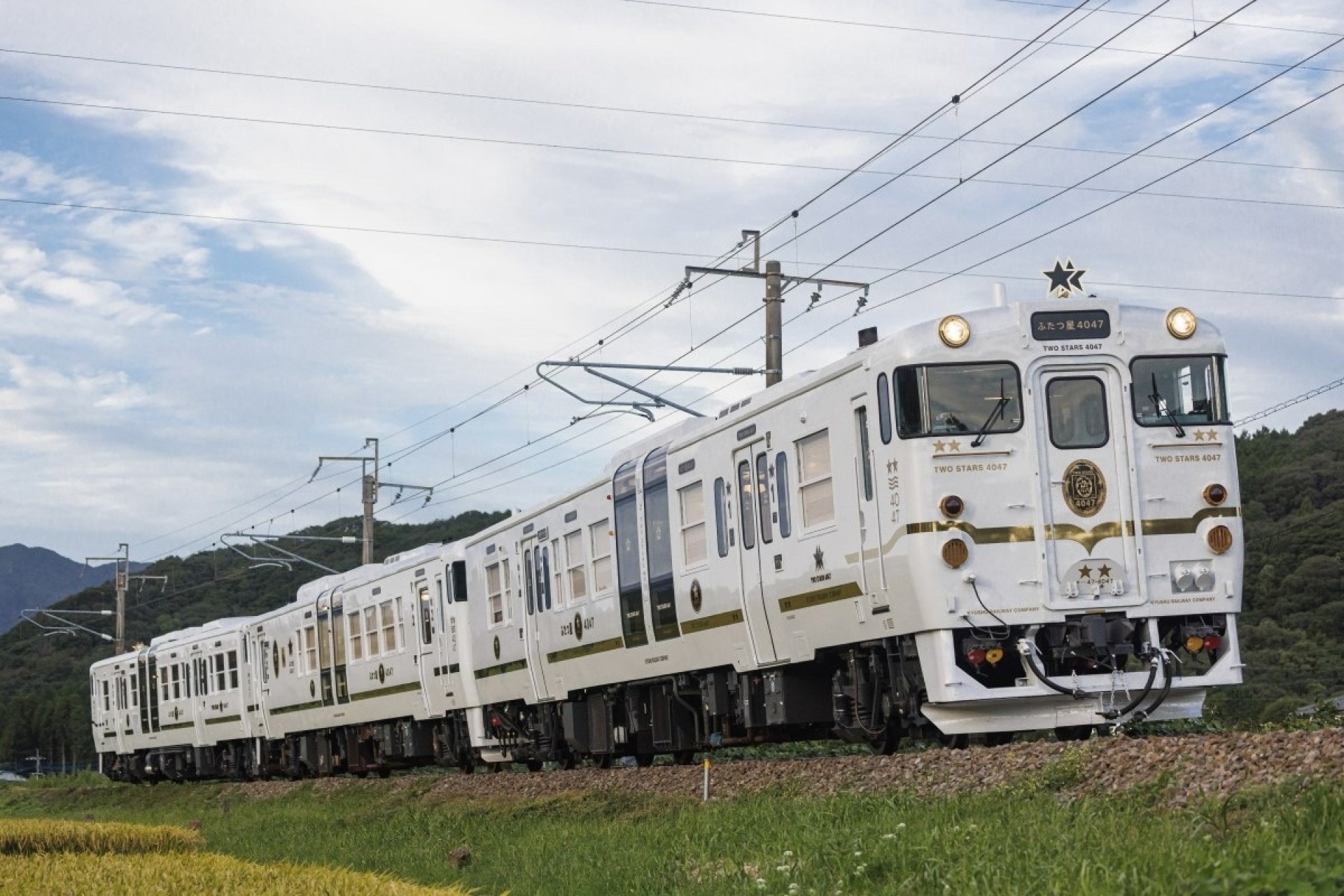
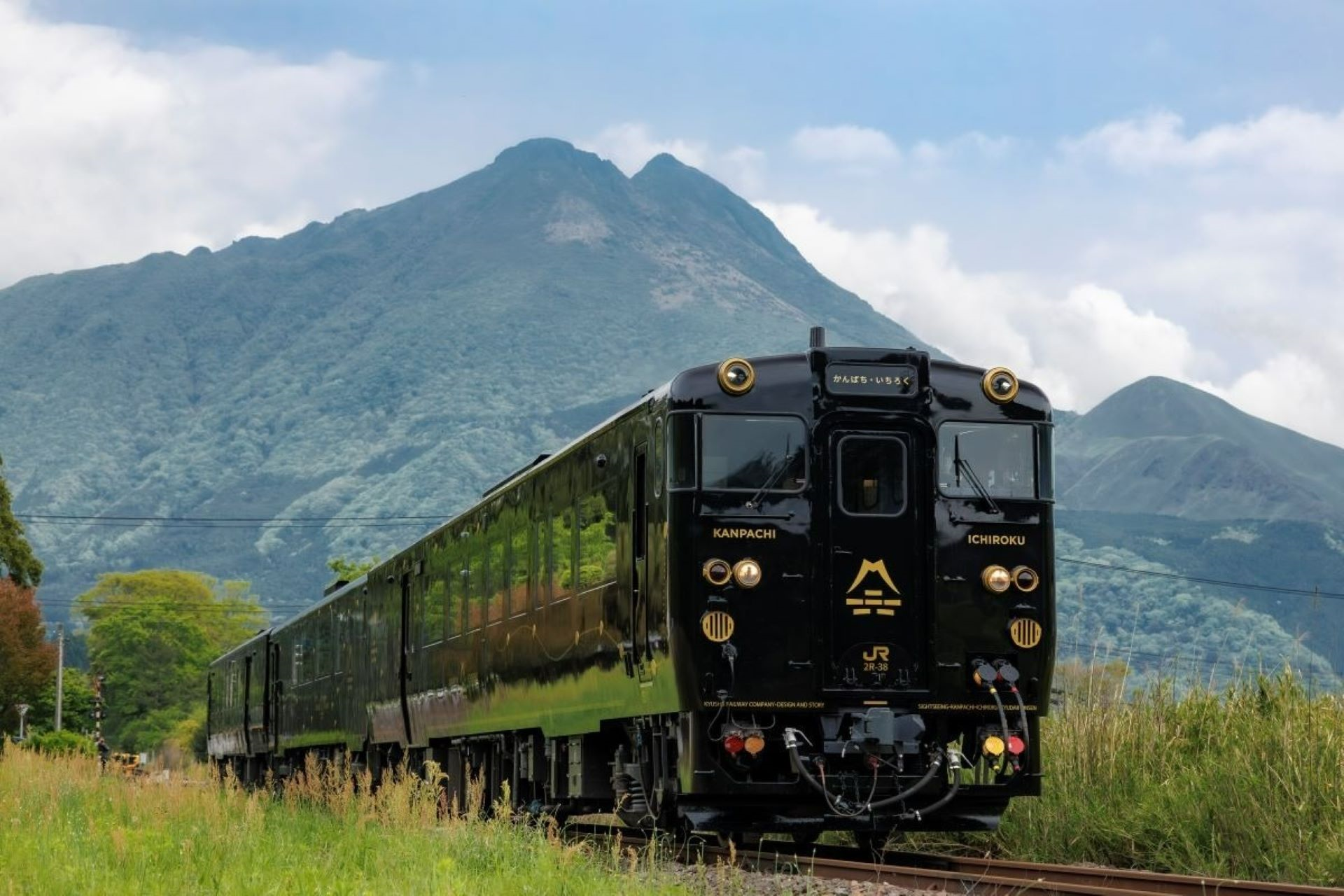
The luxe “Futatsu-boshi 4047” (casually called the 2-Star) sight-seeing train
Getting to and around Nagasaki prefecture
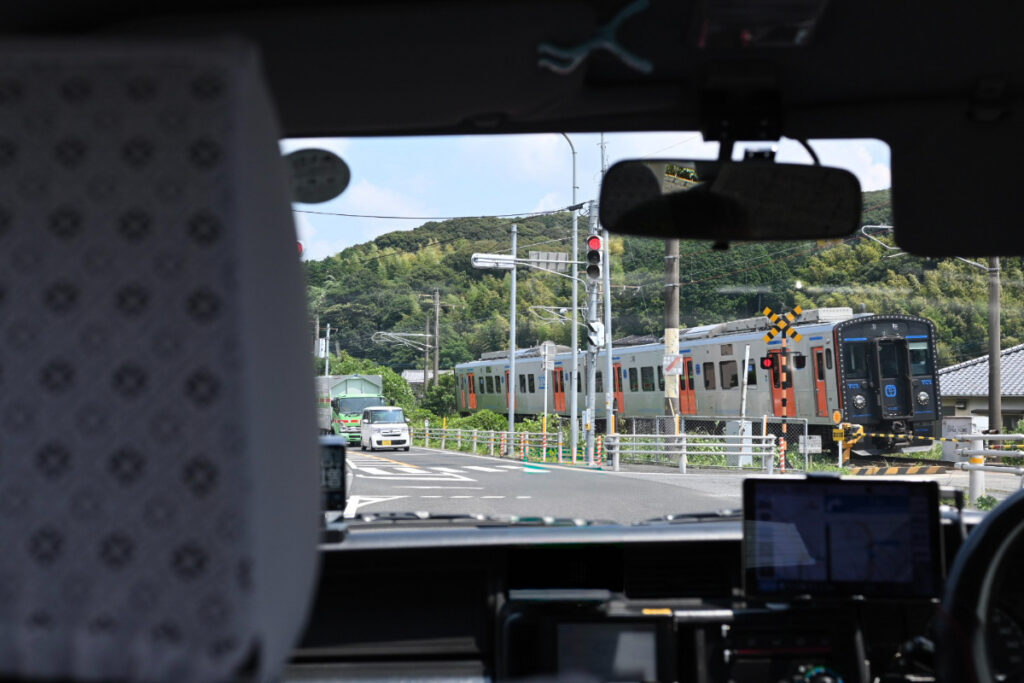
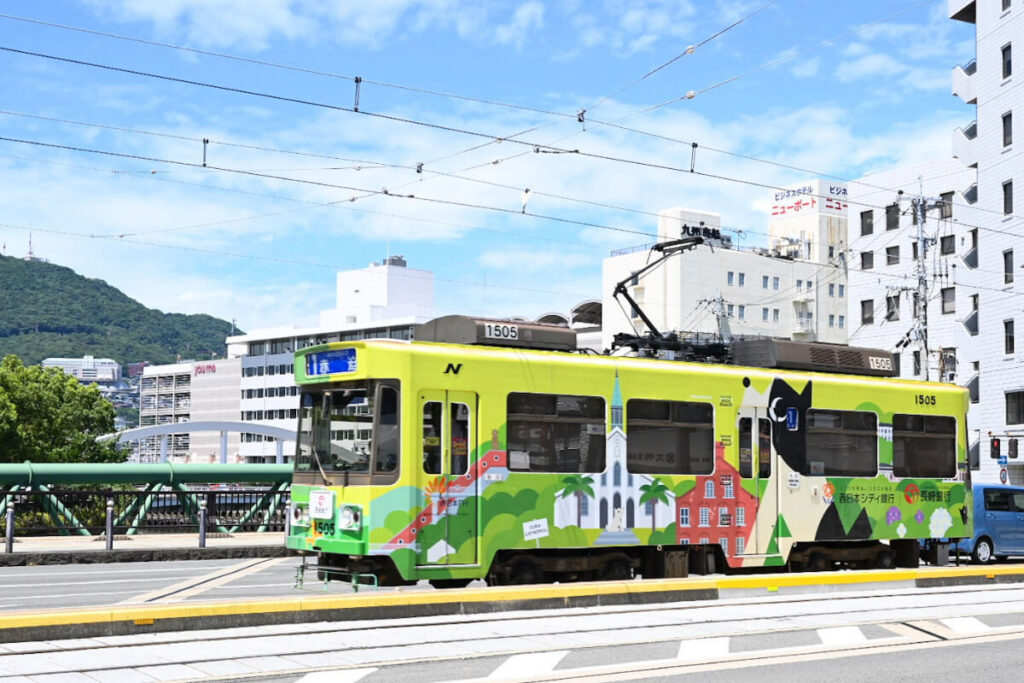
Nagasaki is just about an hour and a half from Tokyo by plane, and can comfortably be enjoyed over a two-day trip. Highway buses run from Nagasaki to Sasebo and beyond, making them a convenient and inexpensive travel option. Due to the nature of traffic and congestion, the buses tend to run late. The train system is an efficient alternative, but can have large gaps between departures, so travelers should manage their time mindfully. Within Nagasaki city, retro streetcars are the standard means of transportation.
The Futatsu-Boshi 4047
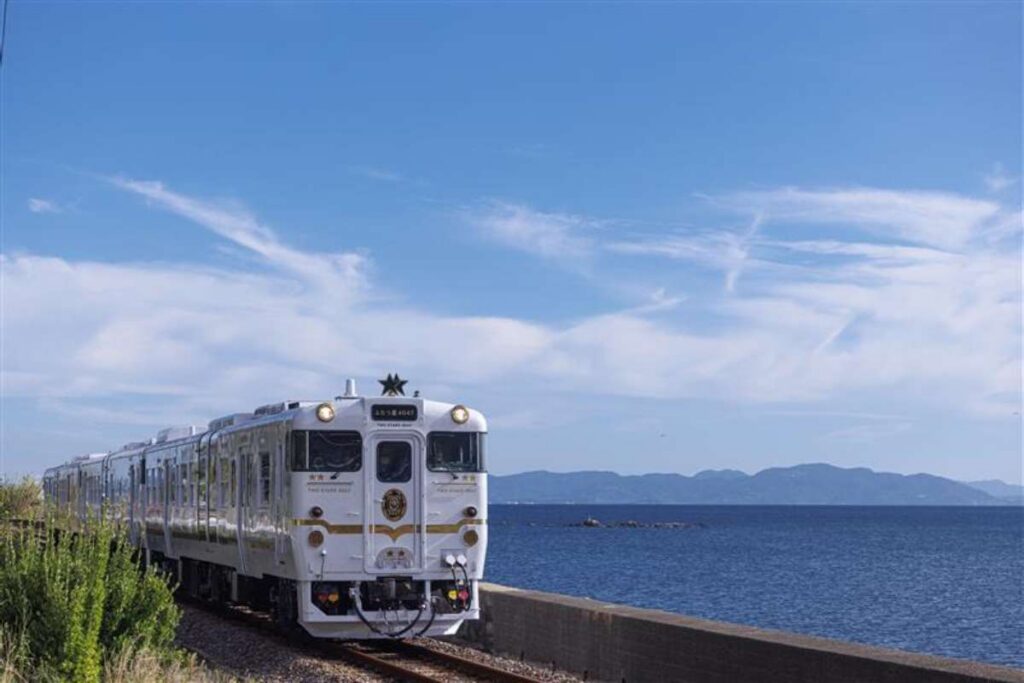
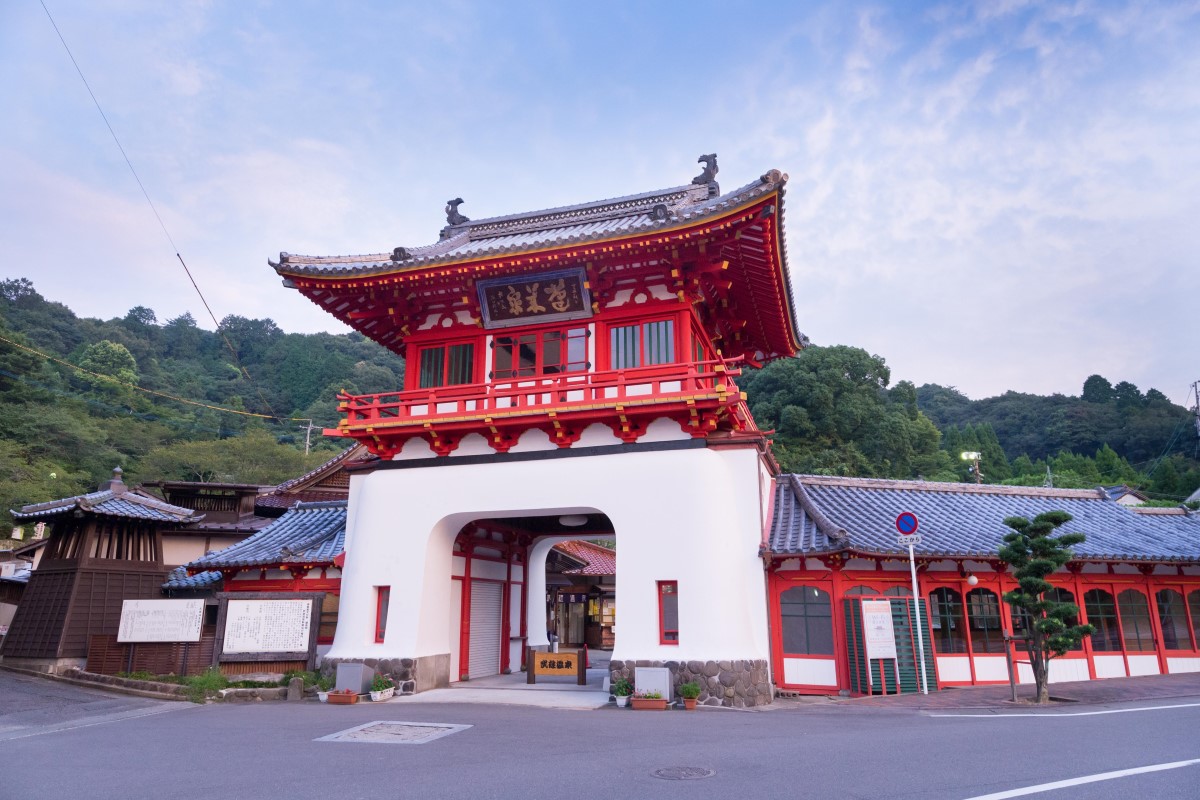
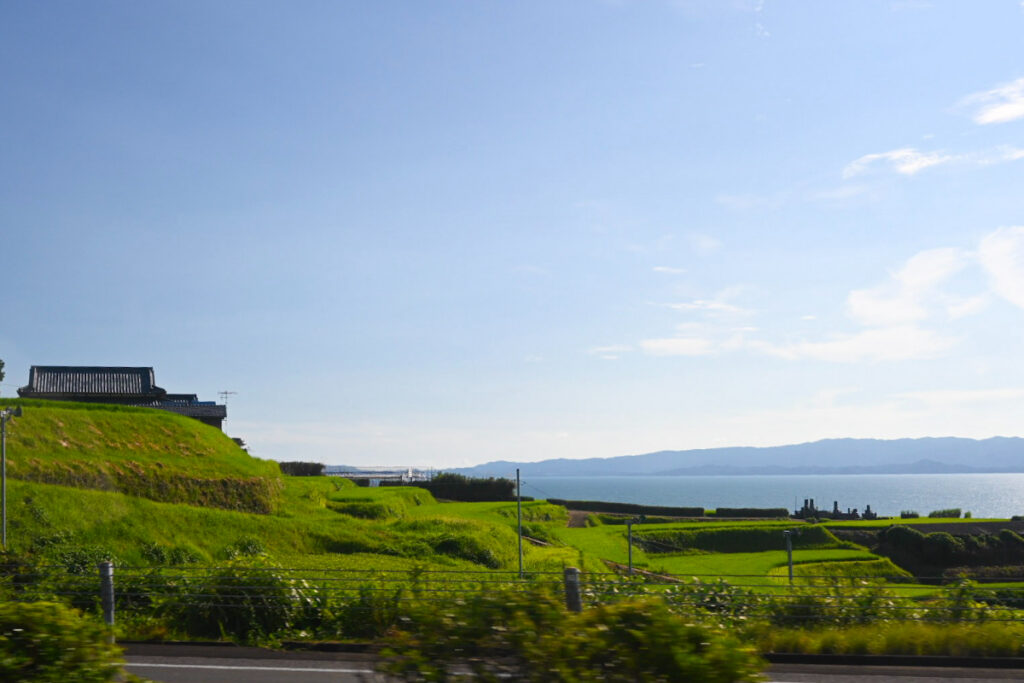
When planning an itinerary in Nagasaki, working in time to experience the luxe “Futatsu-boshi 4047” (casually called the 2-Star) sight-seeing train is both an easy way to arrange the trip, and a once in a lifetime journey. The train loops a round trip from Takeo Onsen station to Nagasaki station, showing off the stunning coastline of Nagasaki and verdant countryside of Saga prefecture.
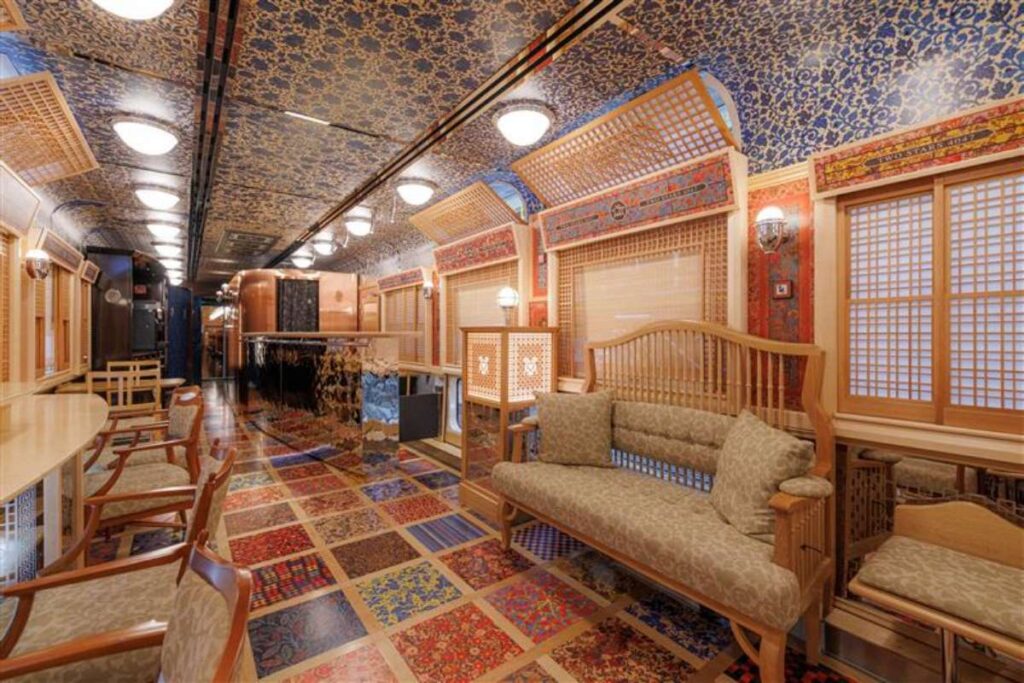
These two prefectures, Saga and Nagasaki, are called the two stars of Kyushuu, which is where the train gets its name. The train features floor-to-ceiling decor of traditional Japanese patterns, and even windows with washi paper and lattice work, just like a Japanese house. The passenger cars’ reservation-only seating includes window-facing chairs and bench seats.
In the second car, Lounge Yonmaru (Lounge 40) serves regional specialties, ranging from local citrus juice from Ikiriki to Nagasaki souffle, which can usually only be enjoyed within Nagasaki city. The lounge is a shared space, so travelers can shift as they like, enjoying the view from the windows on both sides of the car.
Journey to Sasebo, Nagasaki’s Second Largest City
When starting a trip to Nagasaki, travelers can get to Sasebo directly from the airport, via a convenient highway bus. Another option is to save Sasebo for the end of the trip and leave from Nagasaki on the 2-Star. Sasebo is known for green tea plantations, local burgers and artisanal products, plus the region’s most notable theme park, Huis Ten Bosch.
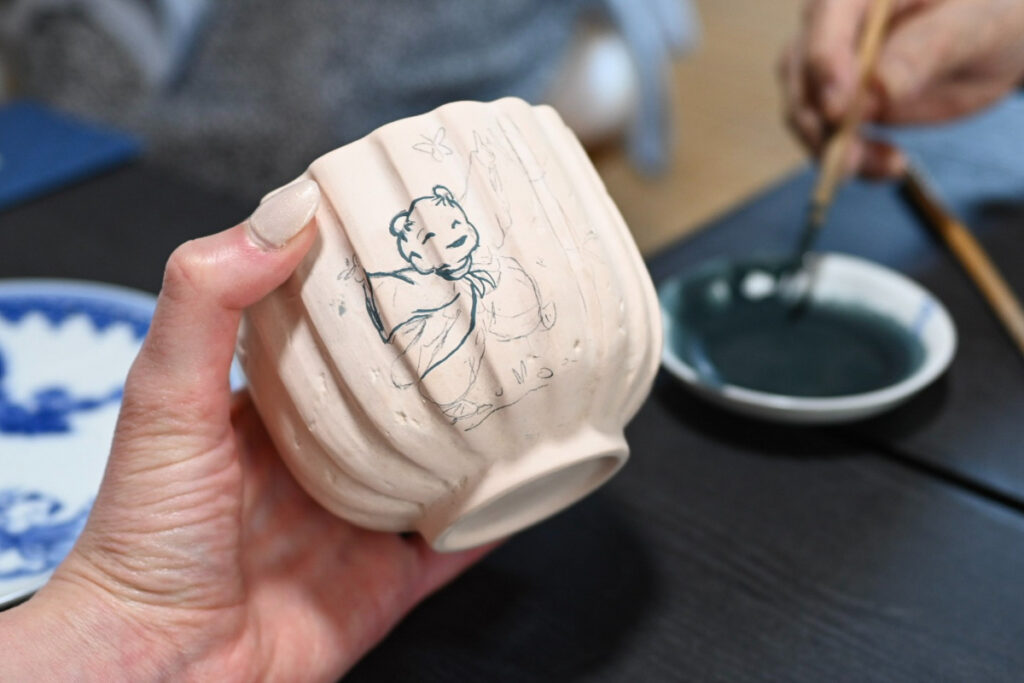
Mikawachi ware Painting
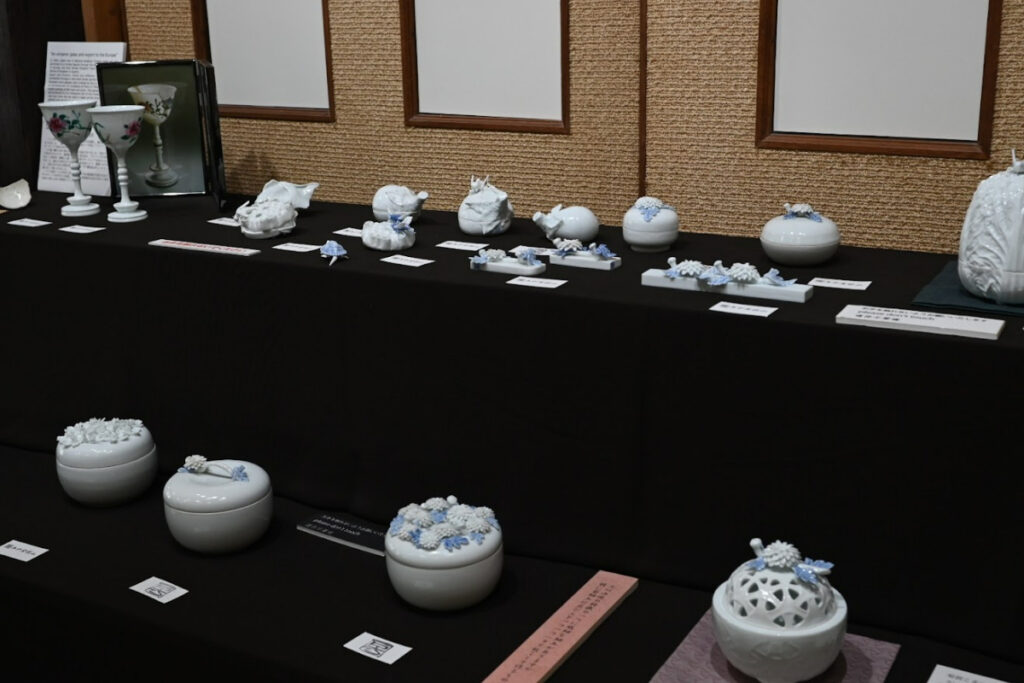
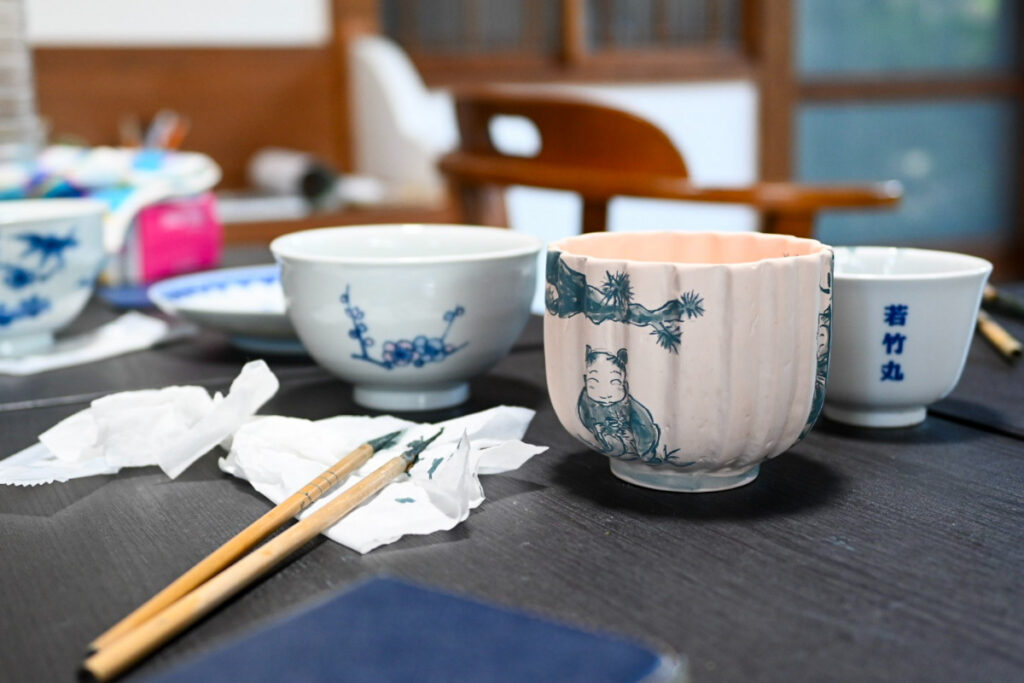
Experience tickets are available by advance reservation and can be picked up at the Sasebo tourist information center in the JR Sasebo station. From Sasebo station, take a train to Mikawachi to enjoy the old kilns and experience mikawachi-ware up close.
The hands-on etsuke experience takes visitors through the final steps of Mikawachi ware making, where skilled shokunin (master craftsmen) use brushes to apply blue paint in different dilutions, creating intricate designs from nature and legend. We created a deep bowl with a karako design, a representative iconography from this region.
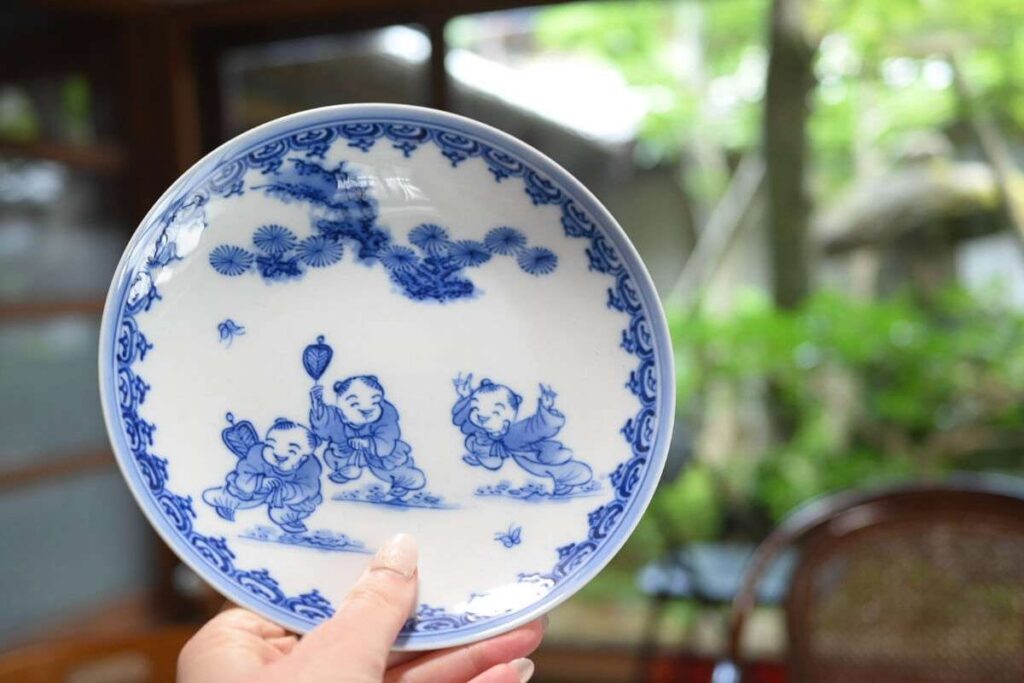
About Kasengama and Mikawachi ware
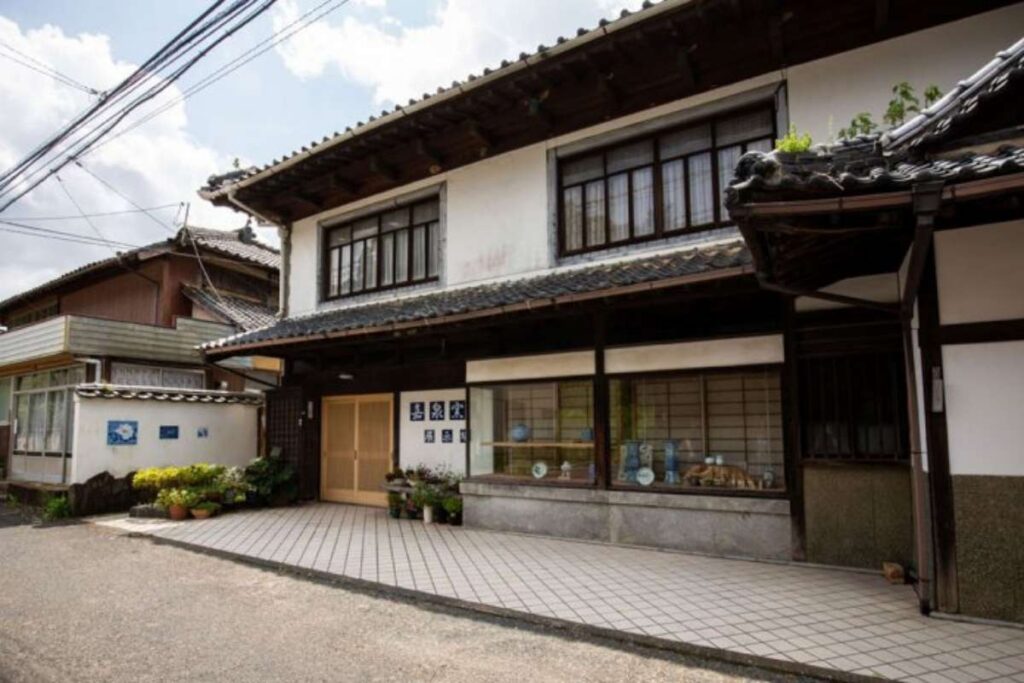
Kasengama is one of the last surviving Mikawachi studios. In the Showa era there were about 100 active shokunin– now there are only 5. Mikawachi ware originally could only be made as gifts for nobility and not sold, but later it started to be exported overseas.
Instead of focusing on profit or volume, expertise and exquisite detail were prioritized.
Once sale and trade began, it’s often said that the eggshell porcelain developed by Mikawachi artisans was a favorite of visiting sailors.
Access to Kasengama
Kasengama is a 15-20 minute walk from the JR Mikawachi station. Some travelers may prefer to use a private driver or hired taxi to access Mikawachi, as trains run infrequently and calling a taxi in the area is difficult.
The City of Nagasaki
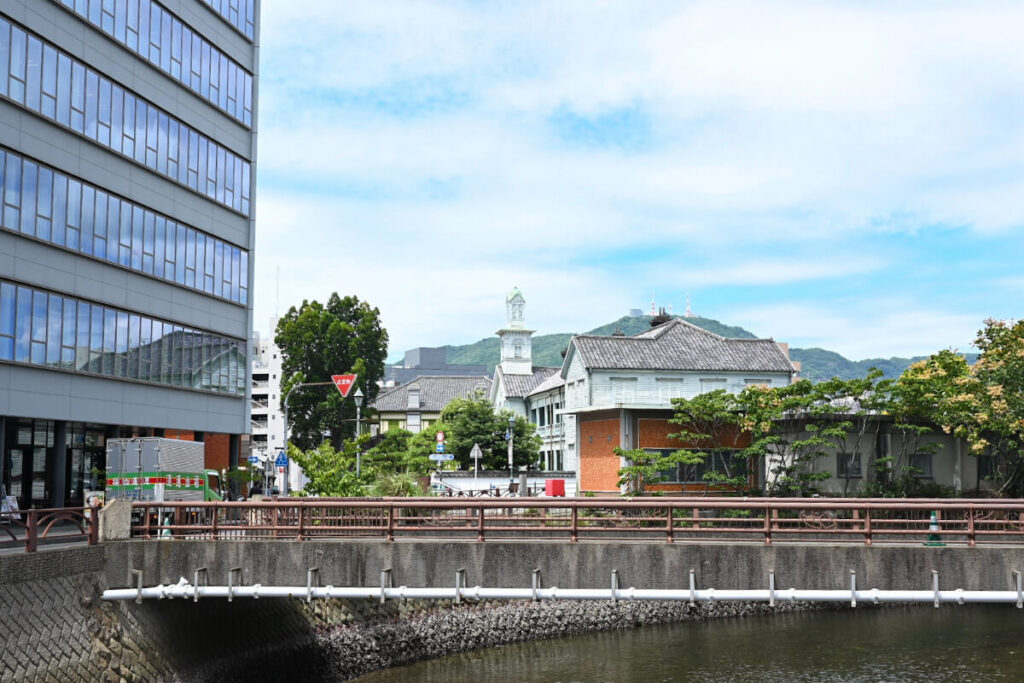
When staying in Nagasaki, Holland-street (Oranda-dori) (directly connected to oranda-saka, the Dutch Slope) is a popular hub thanks to the number of convenient hotels from major sight-seeing areas, shops and contemporary dining. Most local businesses go quiet after about 8pm so it’s a good town for travelers who are happier to both start and retire early.
The Influence of European Religion and Trade
Nagasaki is best enjoyed by people with an appreciation for architecture and history. Among the most notable areas are the Oura area, with its mix of cultural and religious sites, Dejima, and the old Chinese and European settlements.
Christian History
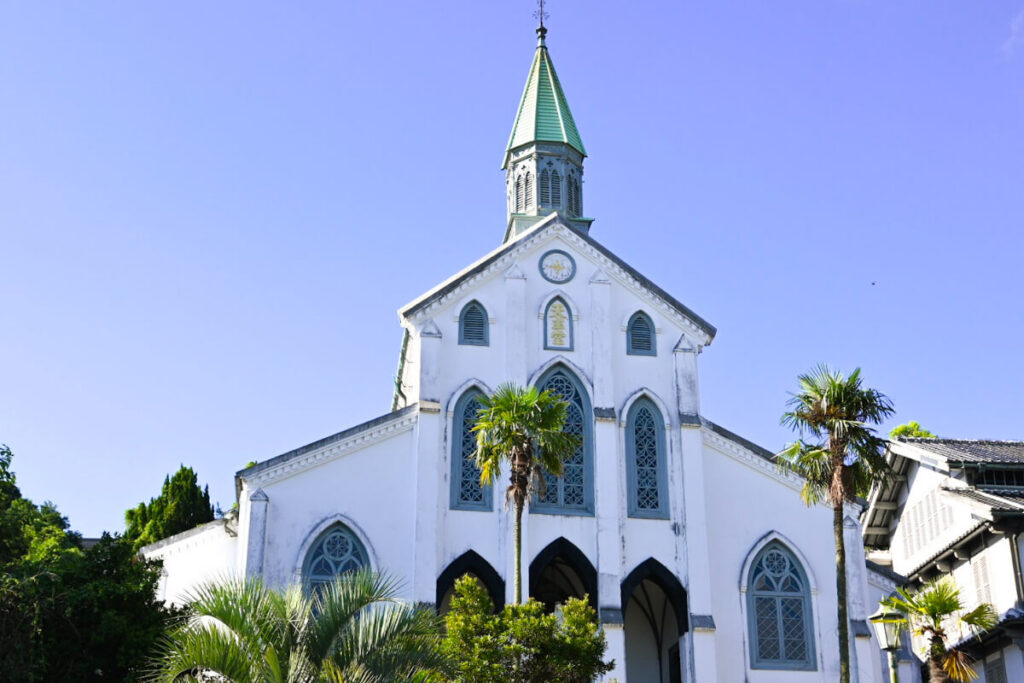
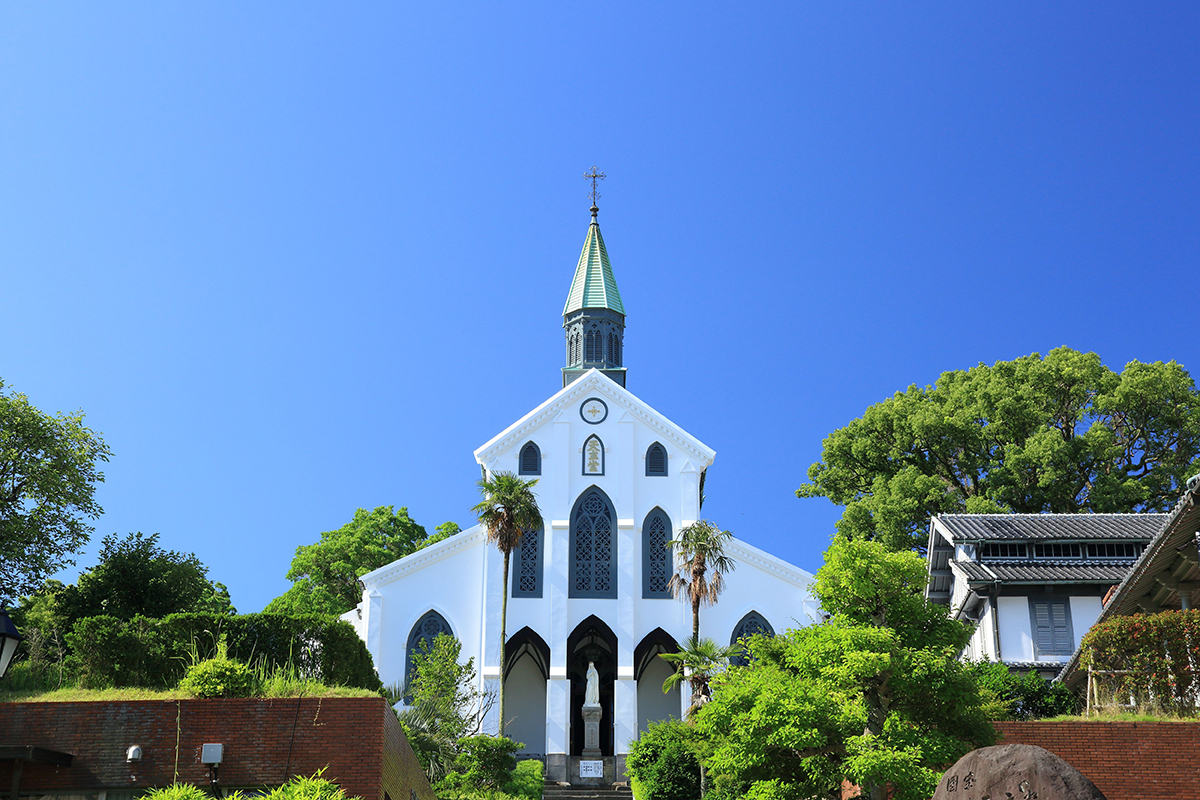
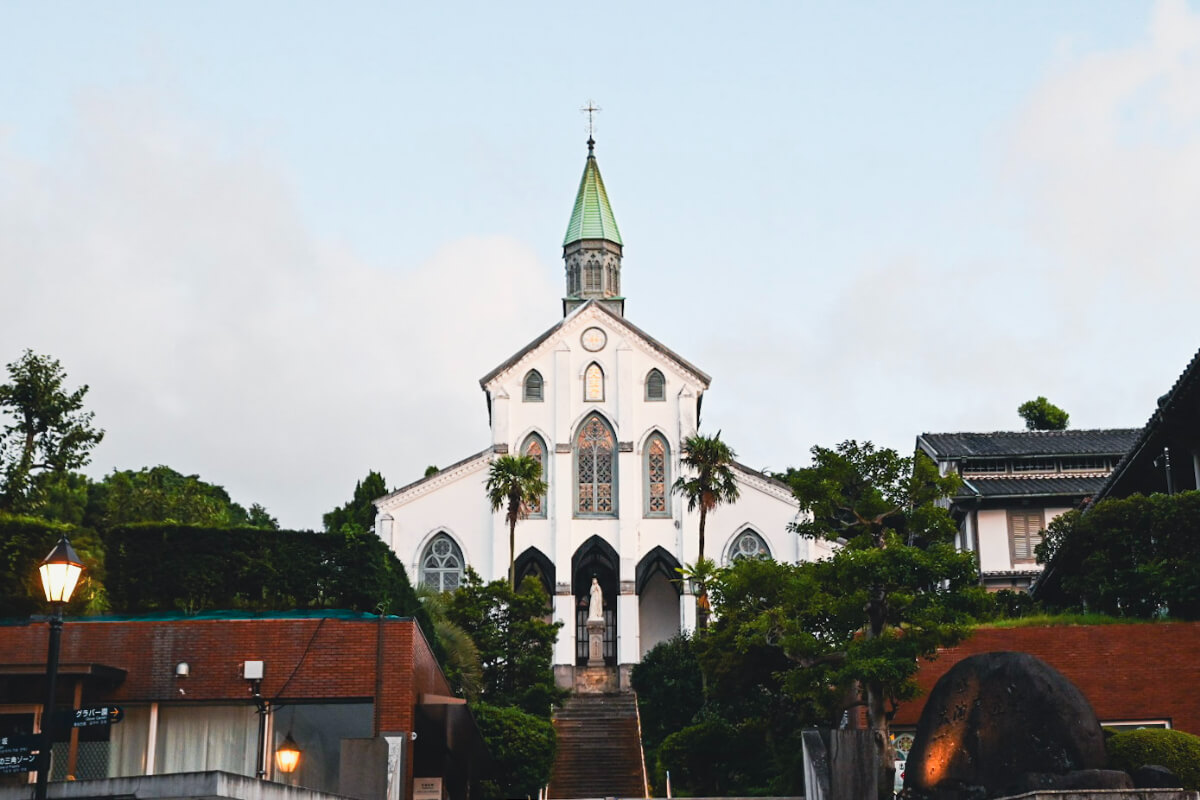
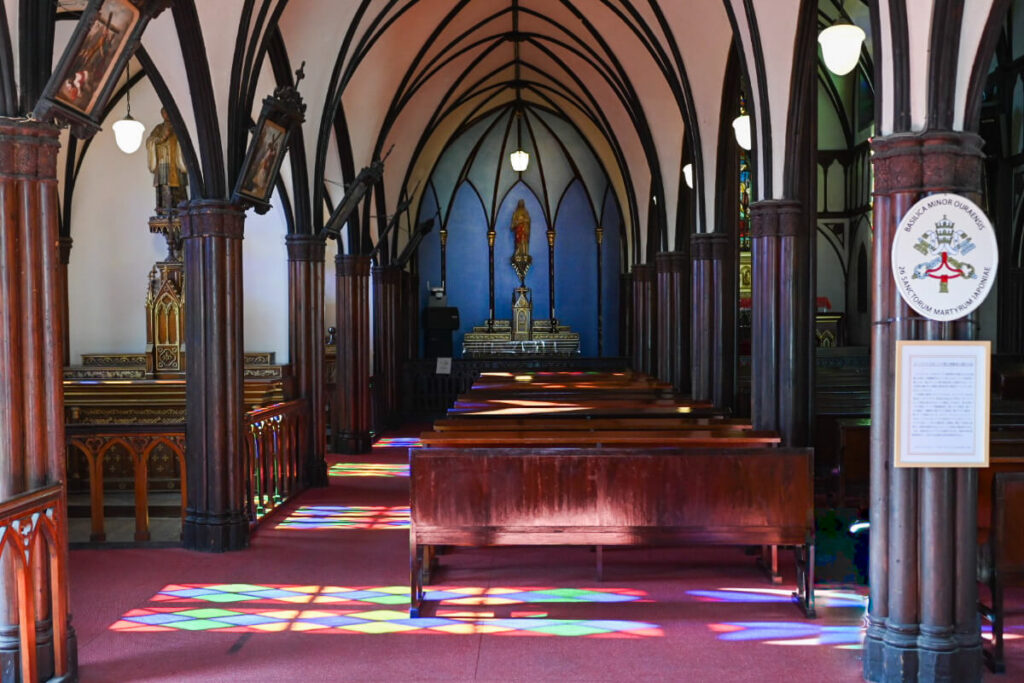
The Oura area is home to Japan’s oldest Christian structure, a massive church complete with stained glass, images of Christ and Mary, and traditional architecture. As a religious site, photographs aren’t allowed inside, but the interior is stunning when bathed in morning light, so it’s recommended to go right at opening.
The church was finished in 1864, a decade after Japan’s ban on Christianity was officially lifted. Even though the Oura cathedral is the oldest and a recognized World cultural heritage asset, there are many old churches, and buildings styled after old churches around Nagasaki.
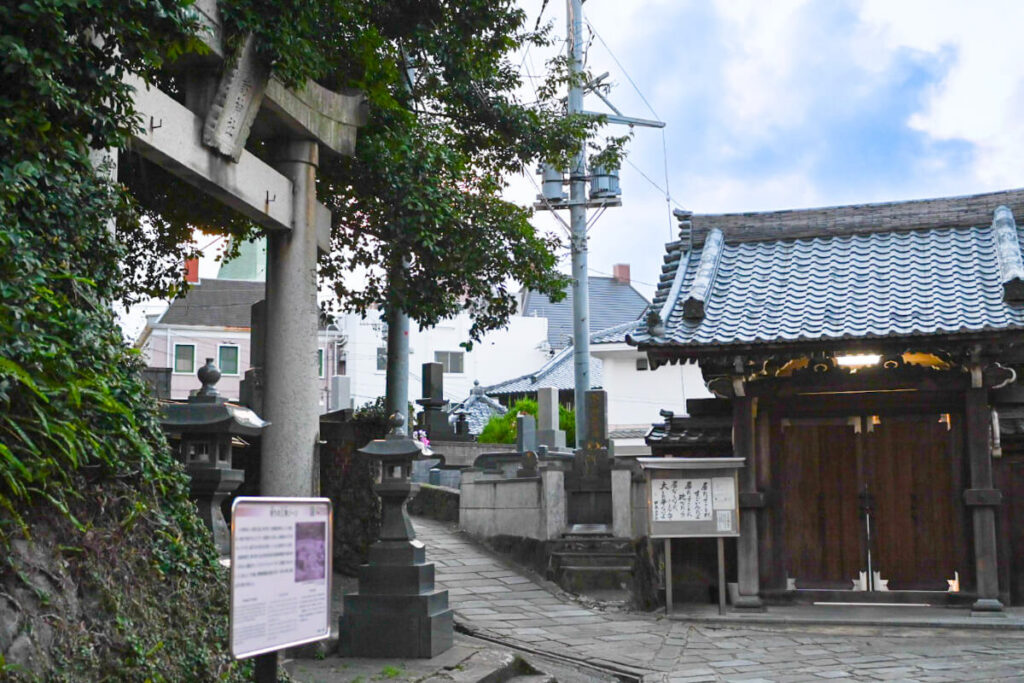
The “Triangle of Prayers” is nearby, where you can see an interesting juxtaposition where three religions coexisted. The crossing has a temple and a shrine, as well as an old Japanese cemetery.
Access to Oura Cathedral using Public Transport
From JR Nagasaki train station, head to the “Nagasaki Ekimae” tram stop, located in front of the station. Board the Route 1 tram bound for Shokakuji.
Get off at the “Shinchi Chinatown” stop and transfer to the Route 5 tram bound for Ishibashi.
Get off at the “Oura Tenshudoshita” stop. From there, it’s about a 5-minute walk.
The number 40 Bus bound for Daiyaland departs from Nagasaki Eki Mae Higashiguchi bus stop and goes up to the Glovergarden stop, which is also about 6 minutes away from the church.
Open 8:30-6pm
Many Nations Collide in Nagasaki
Foreign Trade and Dutch Influence
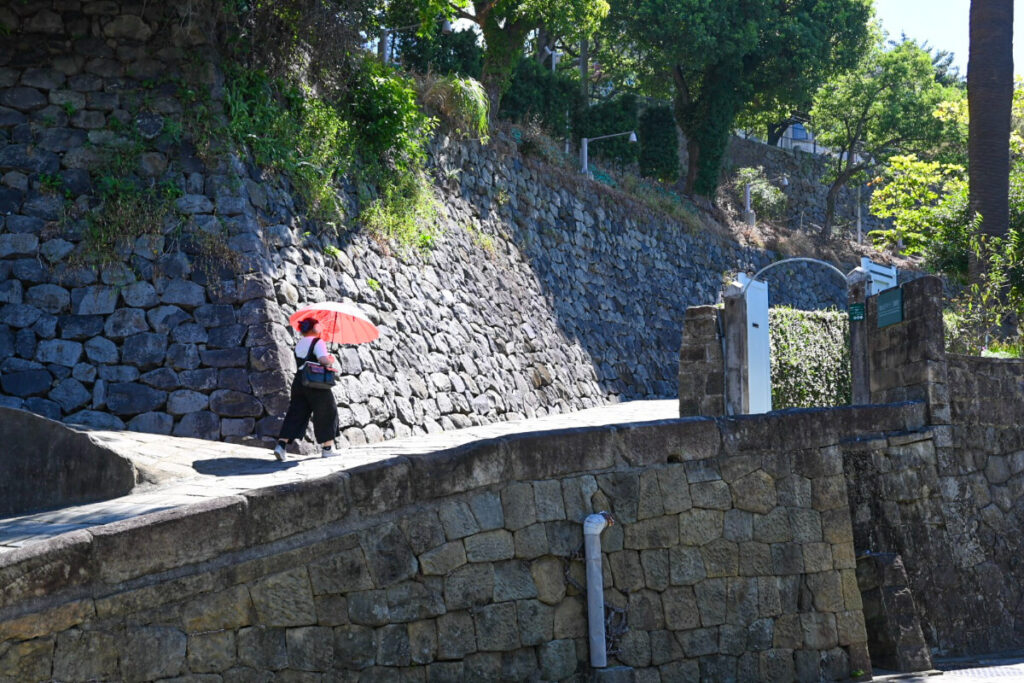
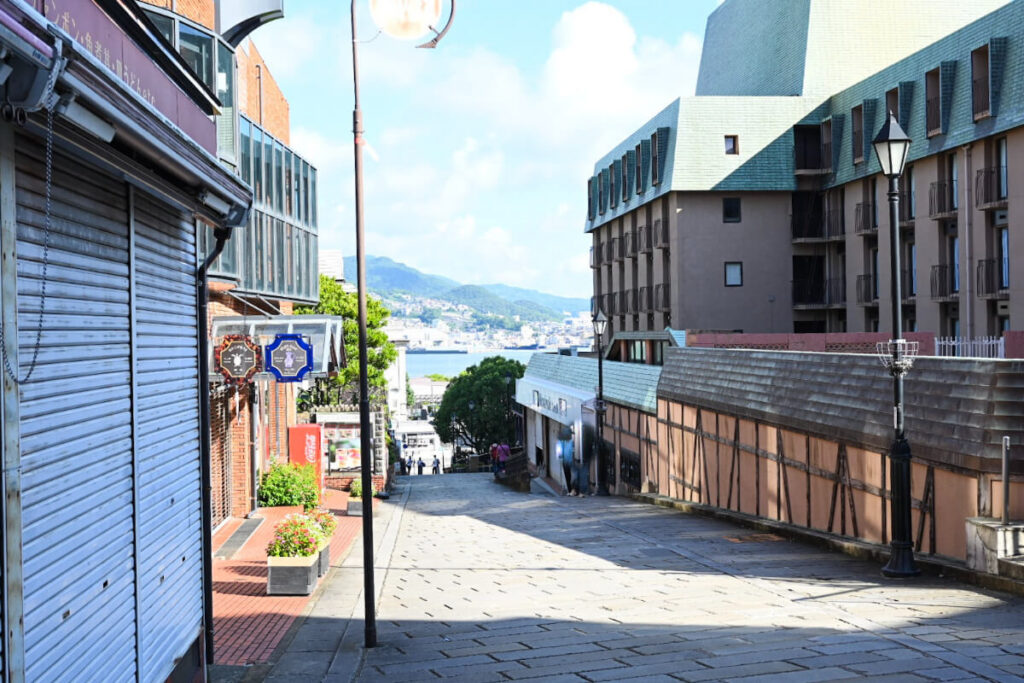
Along the Dutch slope, travelers can stroll up an old road, stopping to read the many fun-fact signs along the way. The slope is dotted with free walk-through museums of preserved buildings including the former American consulate and homes.
Access to Dutch Slope
From JR Nagasaki train station, head to the “Nagasaki Ekimae” tram stop, located in front of the station. Board the Route 1 tram bound for Shokakuji.
Get off at Dejima station and walk about ten minutes to the foot of the slope.
The number 40 Bus bound for Daiyaland, 30 for Kouyaki Eiri, or 60 for Kunitachi Nagasaki Byouin depart from the Nagasaki Eki bus stop. Get off at Medical Center station and walk three minutes to the Dutch slope.
Dejima, a man made island
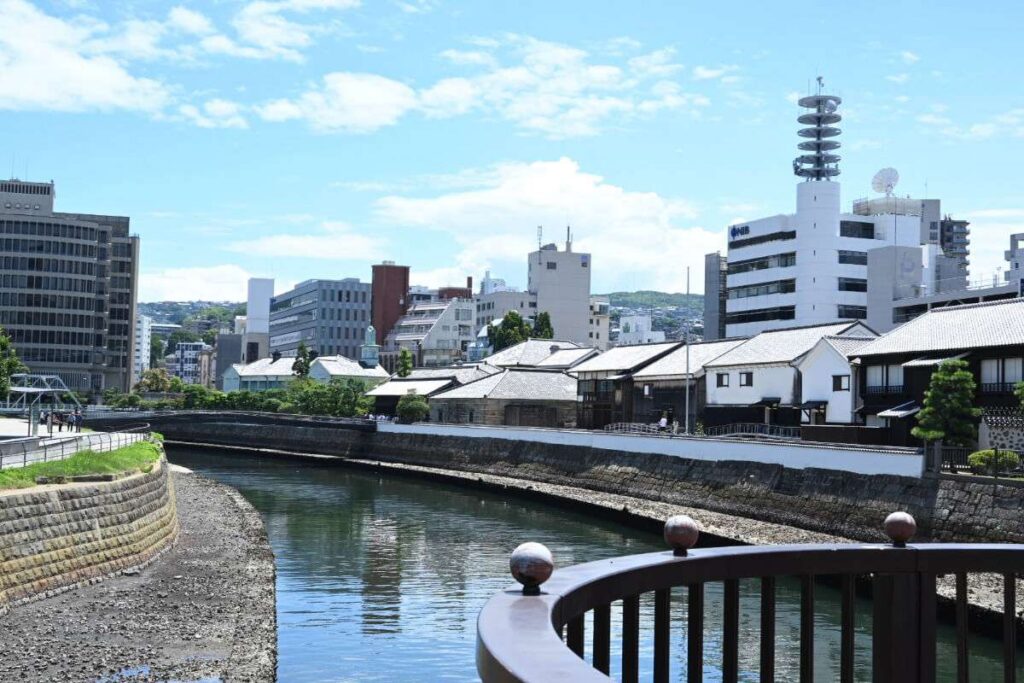
Foreign influence on Nagasaki is a particularly notable part of the city’s history. In 1636, the local Portuguese were all interned at Dejima, a man made island created to separate them from the rest of the population. Just three years later, the Portuguese were forced out completely, and the Dutch East India company moved in. A reconstructed village now sits on the fan-shaped island. Tourists can visit for a small fee, and enjoy European restaurants and historical artifacts.
Access to Dejima
Walk from the JR Nagasaki Station to Yachiyomachi station and take tram line 1 for Sofukuji. Dejima is directly accessible from the Dejima tramway stop.
Open daily from 8:00 to 21:00 (entry until 20:40)
Tickets: 520 Yen/adult
China Town and Local Flavor
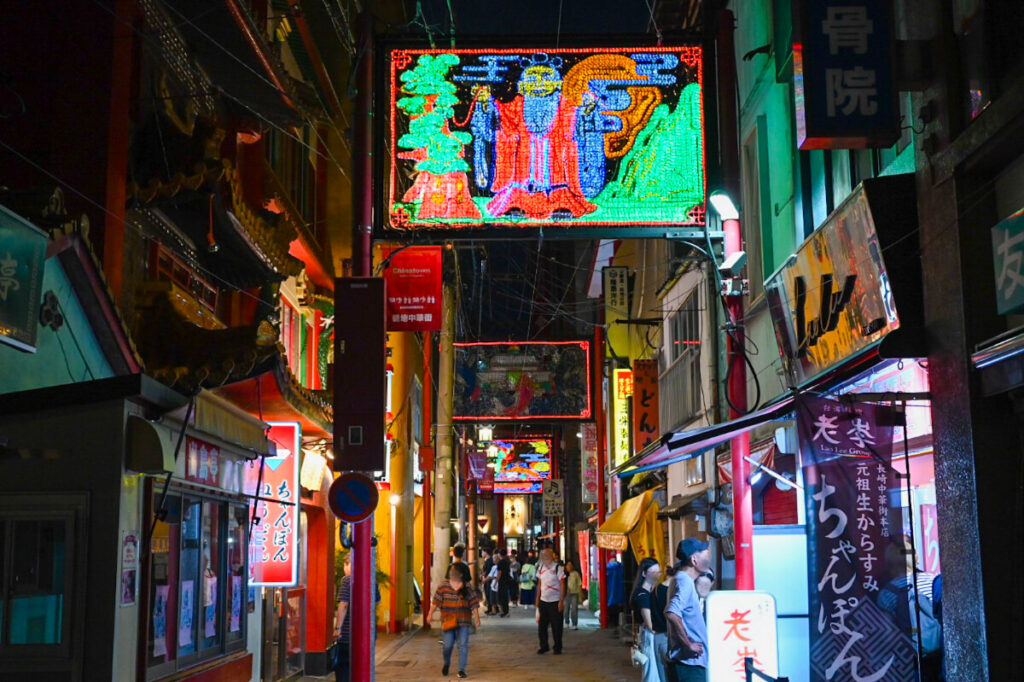
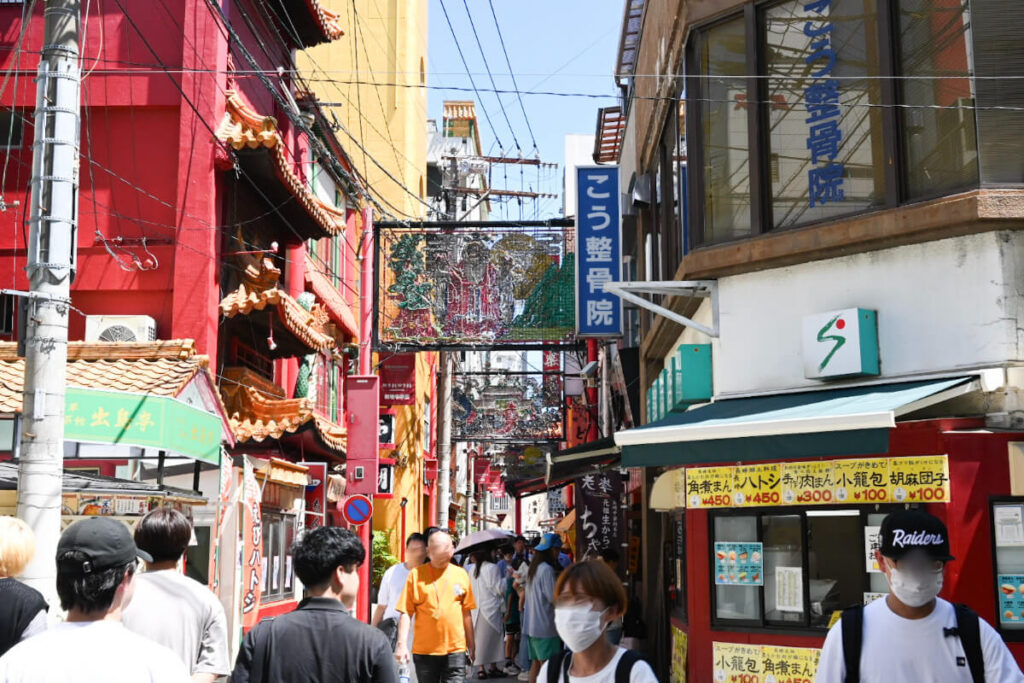
There are preserved historical zones of the old Chinese settlement and museums dedicated to Chinese activities in Nagasaki that reflect the influence of Chinese immigration and trade.
Access to Shinchi Chinatown
From the “Nagasaki Ekimae” tram stop, which is right in front of JR Nagasaki Station, take the Route 1 tram bound for Shokakuji and get off at the “Shinchi Chinatown” stop.
It’s just a 1-2 minute walk from the tram stop to the entrance of Chinatown.
The Birthplace of Nagasaki Champon
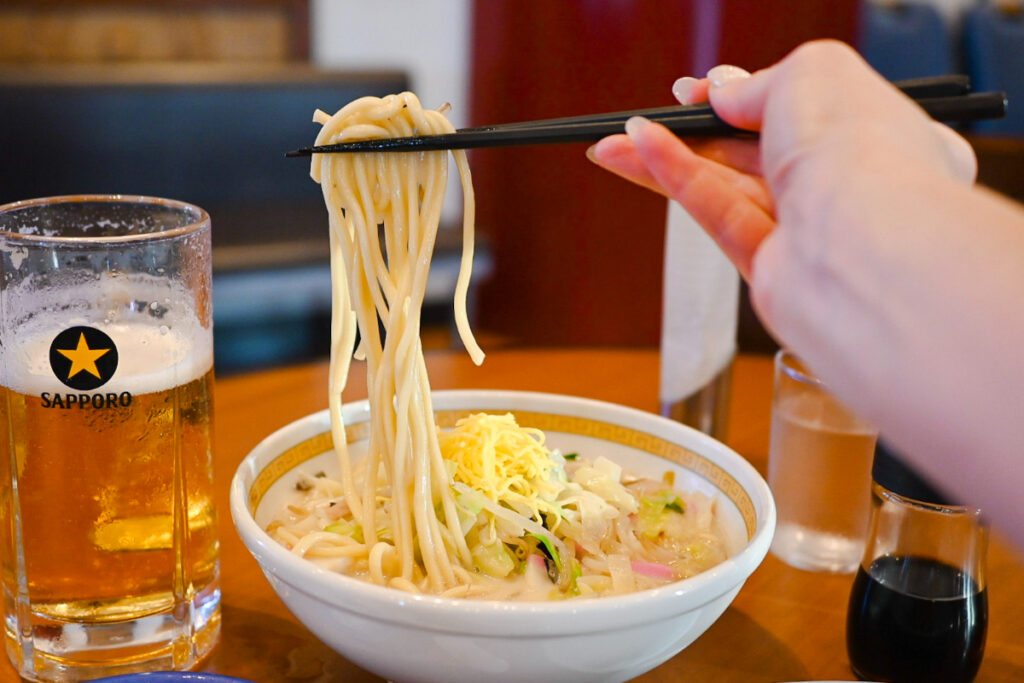
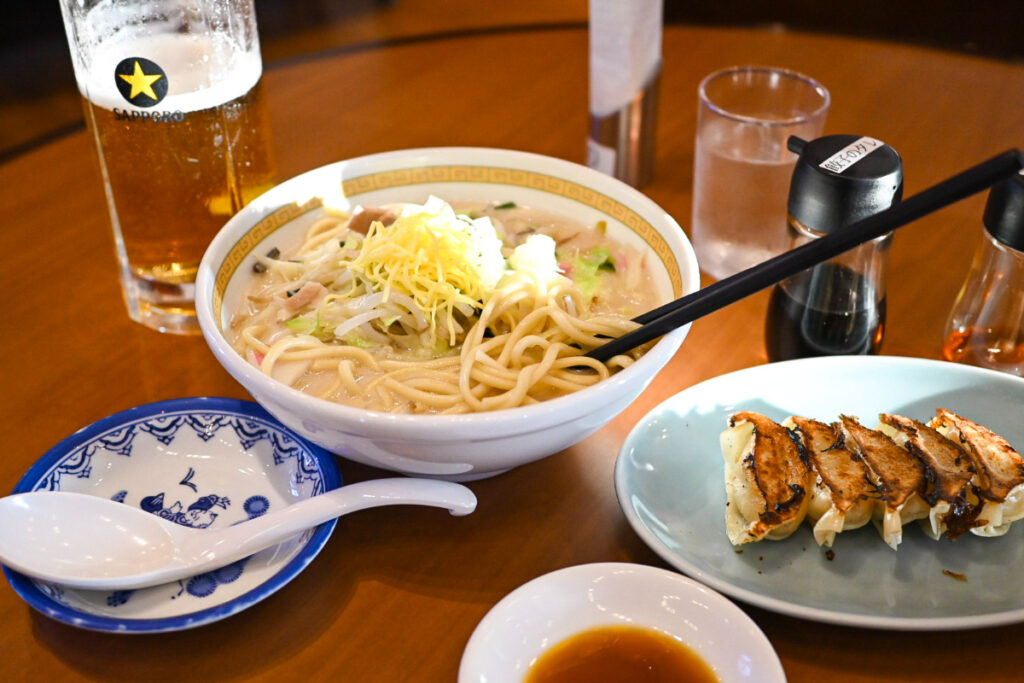
A 5-story Chinese restaurant, Shikairo, is the birthplace of Nagasaki’s famous champon. Wait times at the restaurant are short, thanks to the large dining room.
Though the two noodles might look similar, the experience is completely different from ramen. Champon noodles are more rope-like, and the broth, a milky cream color, is neither oily nor too salty – it’s a mild, blank canvas ready to be enjoyed with a mix of condiments or on its own for the classic flavor.
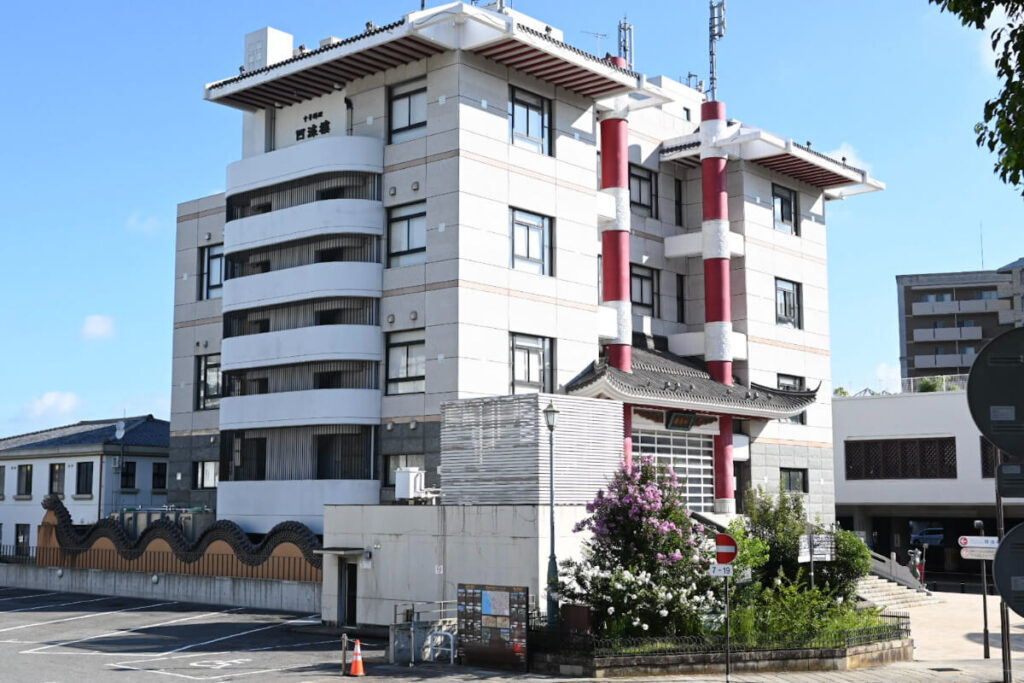
Access to Shikairo
From the “Nagasaki Ekimae” tram stop, located in front of JR Nagasaki Station, take the Route 1 tram bound for Shokakuji.
Get off at the “Shinchi Chinatown” stop and transfer to the Route 5 tram bound for Ishibashi.
Get off at the “Oura Tenshudoshita” stop.
You will see the large building of Shikairo immediately after you get off the tram. It’s about a 1-minute walk.
Open 11:30 to 7:30pm with a break for lunch
Hatoshi, a Unique Streetfood Bridging 3 Cultures

Nagasaki’s Chinatown has traditional Chinese architecture contrasting more opulent structures. There are a few treats unique to Nagasaki’s china town, but none so omnipresent as the hatoshi.
Served finger-tip-searingly fresh from the deep fryer, Dejimatei’s hatoshi has the wonderful quality of a Maine lobster roll wishing it were a french fry. Hatoshi is made by combining shrimp paste with white bread in one of many interesting shapes, and then deep frying it. It’s delicious, but not like usual shrimp toast!
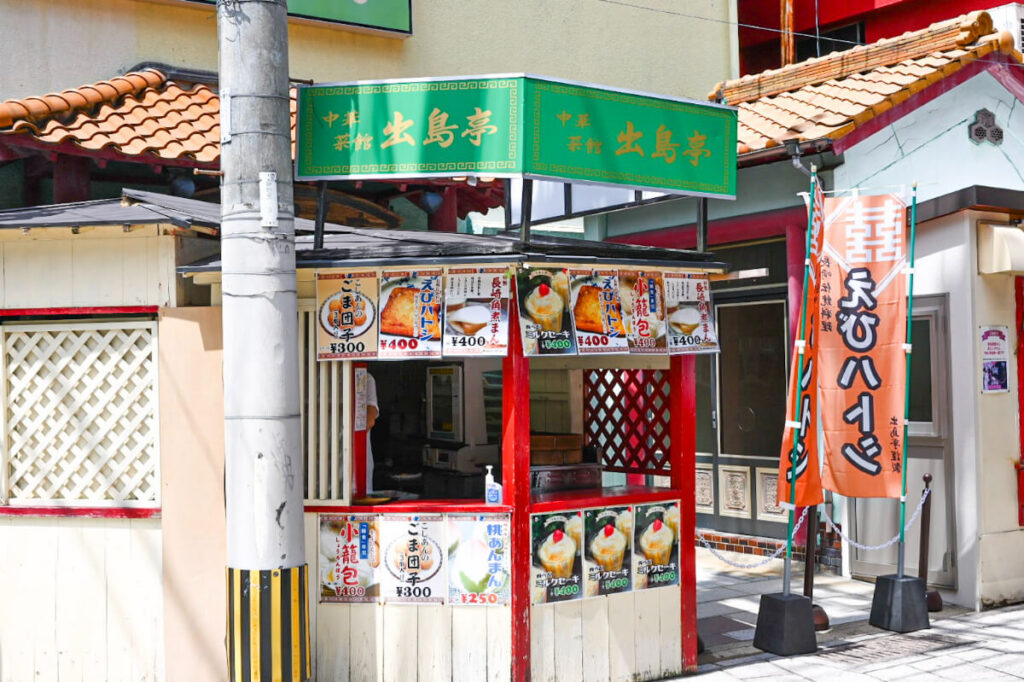
Access to Dejimatei
From Nagasaki station, take tram line 1 for Sofukuji. Dejimatei is located within the Chinatown area, about 3 minutes from the Shinchi Chinatown tram stop. Look for the octagonal building.
Official opening hours are 11:30 am to 2 pm, then 6pm-9pm, but may be irregular.
Nagasaki as an International Center for Peace
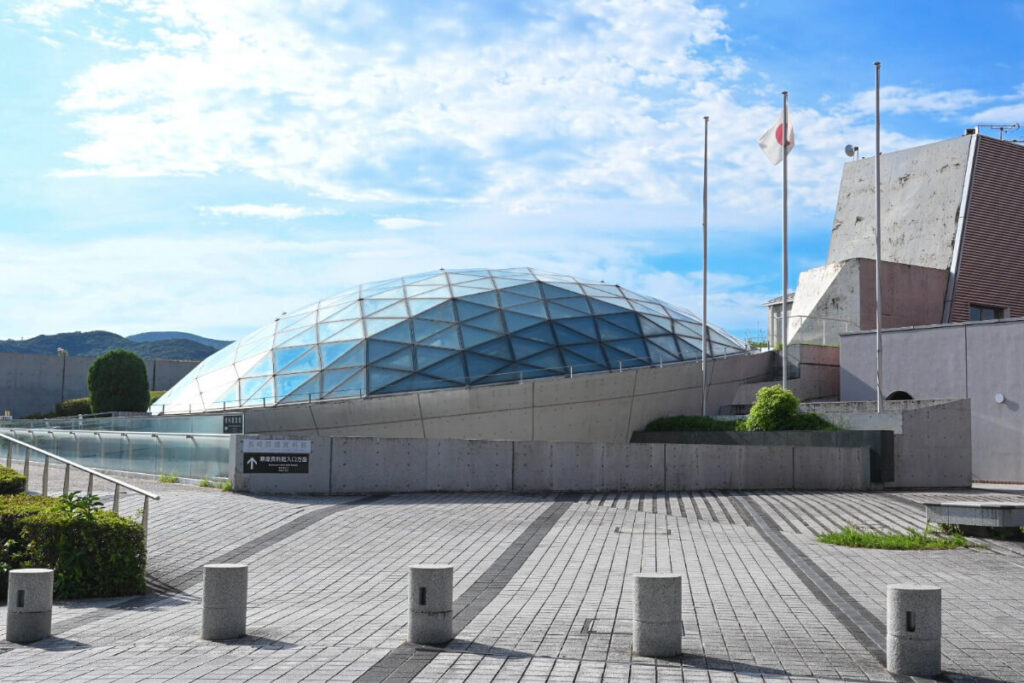
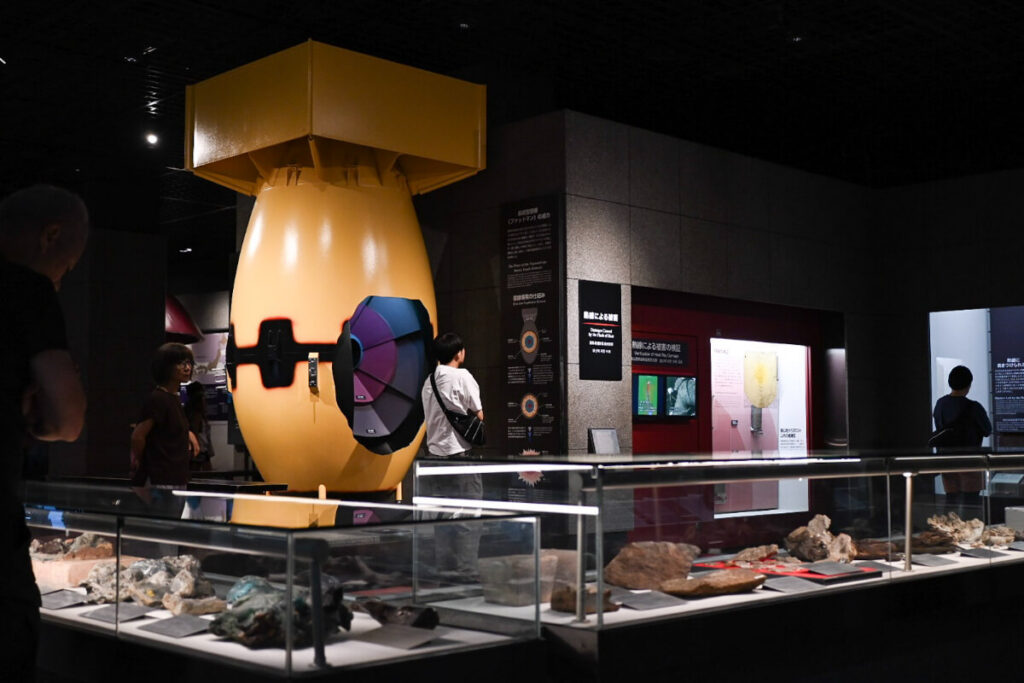
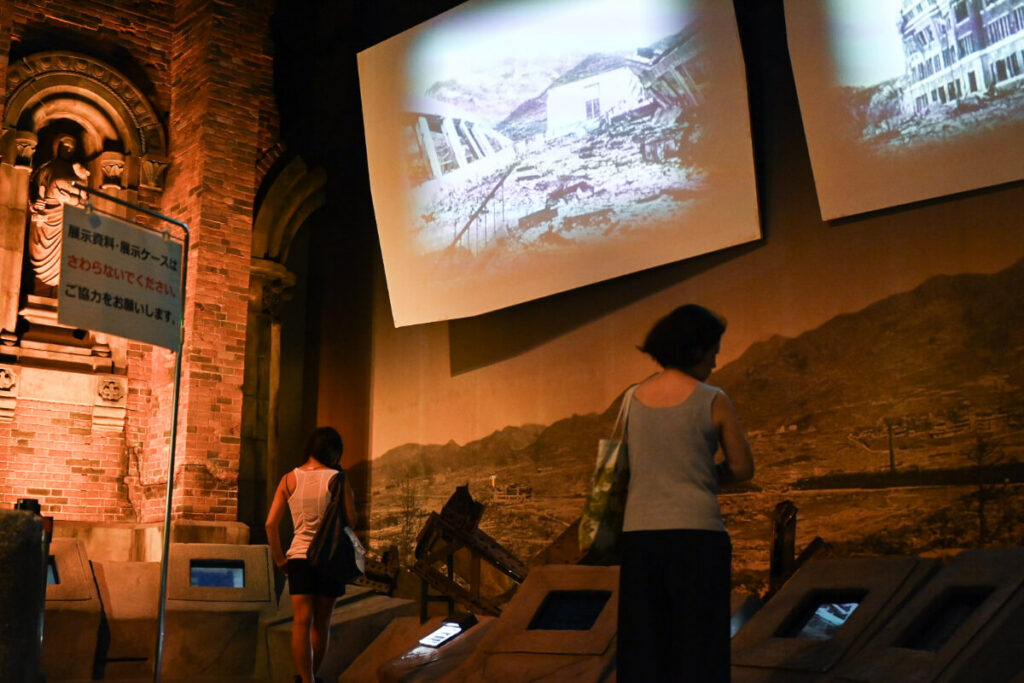
Nagasaki is known for one historical event that eclipses all the rest. On August 9, 1945, it became the target of the last atom bomb to be used in war against another country. 2025 is its 80th anniversary.
This tragic incident is memorialized in the Nagasaki Atomic Bomb Museum and nearby Peace Park. Inside, explanatory demos and artifacts from the city such as fused glass, and twisted metal are on display. Hanging garlands of 1000 cranes, donated by schools and organizations around the world, are displayed throughout the museum.
Access to the Museum
Take the tram bound for Akasako from JR Nagasaki station and alight at the Atomic Bomb Museum tramway station. The entrance is up a slope, a 7 minute walk from Nagasaki Atomic Bomb Museum tramway station.
Open 8:30am-5:30pm daily. (8:30- 6:30 pm during May to August)
Tickets: 200 Yen/adult 100Yen/children and students up to high school
Conclusion
Nagasaki is located at the tip of Japan, making it an ideal access point from the rest of the world. Thanks to its positioning, it is filled with stunning architecture, complex history, and stirring stories. Experience the quiet life of Nagasaki on the luxurious 2-star, an unforgettable train experience that elevates the beauty of this prefecture. Beautiful churches, artisan crafts, fun food, and more, await!